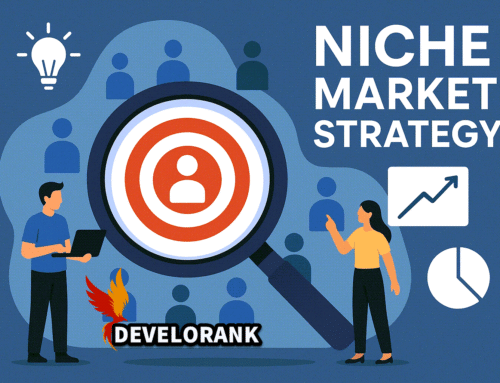

🎯 Why Finding Your Niche Matters in 2025
🌟 In 2025, the digital landscape is more crowded than ever. Whether you’re launching a business, building a personal brand, or seeking a fulfilling career, knowing how to find your niche is the linchpin to standing out and thriving. You’re not just searching for a topic or market -you’re uncovering the intersection of your passion, expertise, and real-world demand. This journey is about more than profit; it’s about purpose, sustainability, and impact.
🧠 Today’s audience is savvy, discerning, and bombarded with choices. They crave authenticity and specialization. If you’re feeling lost in a sea of sameness, learning how to find your niche is your compass. It’s the difference between being a drop in the ocean and becoming a lighthouse for your ideal audience.
🔑 If you’re searching for how to find your niche, you’re likely seeking clarity, confidence, and a strategic edge. This guide delivers exactly thatn – no BS, just actionable insights tailored for ambitious creators, entrepreneurs, and professionals ready to carve out their unique space in 2025.
🧬 Understanding the Psychology of Niche Discovery
🧩 The process of how to find your niche is as much about self-discovery as it is about market research. It’s a dance between introspection and investigation. Your niche isn’t just what you do – it’s who you are, who you serve, and how you solve their problems in a way only you can.
🧠 The Role of Personality and Motivation
🌱 Your personality traits – like curiosity, resilience, and empathy – shape the niches where you’ll excel. Are you a visionary, a problem-solver, or a connector? Understanding your core drives helps you align your niche with your natural strengths, making your work feel less like a grind and more like a calling.
- 🦸♂️ Visionaries thrive in emerging markets and innovation-driven niches.
- 🧑🔬 Problem-solvers excel in technical, consulting, or coaching niches.
- 🤝 Connectors shine in community-building and networking-focused niches.
🗝️ Motivation matters. Are you driven by impact, income, or influence? Your answer will shape the type of niche that sustains your energy and ambition over the long haul.
🔬 Using NLP to Connect with Your Audience
🗣️ Natural Language Processing (NLP) isn’t just for AI—it’s a tool for understanding how your target audience thinks, speaks, and searches. By analyzing forums, reviews, and social media, you can uncover the exact words and pain points your audience uses. This lets you tailor your messaging, products, and services to resonate deeply, increasing engagement and loyalty.
💬 For example, if your audience frequently uses phrases like “overwhelmed by choices” or “looking for a simple solution,” you know to position your niche offering as a streamlined, stress-free answer.
🔍 Identifying Your Core Strengths and Passions
🔥 The foundation of how to find your niche is knowing what you’re truly good at and what lights you up. This isn’t about wishful thinking – it’s about honest self-assessment and strategic alignment.
📝 Conducting a Personal Skills Inventory
🧰 Take stock of your hard and soft skills. List out your professional expertise, hobbies, and unique experiences. Don’t overlook transferable skills—sometimes your hidden superpower is the ability to synthesize knowledge from different fields.
- 🔬 Technical skills (coding, design, analytics)
- 🗣️ Communication skills (writing, speaking, teaching)
- 🎨 Creative skills (art, music, innovation)
- 🤝 Interpersonal skills (negotiation, empathy, leadership)
🌟 Now, cross-reference these with what you genuinely enjoy. The sweet spot is where proficiency meets passion.
💖 Pinpointing Your True Interests
✨ What topics do you lose track of time exploring? What problems do you feel compelled to solve? These are clues to your authentic niche. When your work aligns with your interests, you’re more likely to persist through challenges and innovate beyond the competition.
📊 Analyzing Market Demand and Trends
📈 Even the most passionate niche won’t prosper without real-world demand. The art of how to find your niche lies in balancing what you love with what people want and are willing to pay for.
🔎 Researching Audience Needs
🕵️♂️ Dive into keyword research, online forums, and social media groups. What questions are people asking? What gaps exist in current offerings? Use tools like Google Trends, SEMrush, or AnswerThePublic to spot rising topics and underserved audiences.
| 🔑 Niche Area | 📈 Search Volume (Monthly) | 💰 Monetization Potential | 🔥 Trend Status |
|---|---|---|---|
| Sustainable Living | 60,000 | High | Rising |
| Remote Work Tools | 45,000 | Medium | Stable |
| Pet Wellness | 35,000 | High | Rising |
📊 This table demonstrates how to evaluate niches based on search volume, monetization, and trend status. Always look for a healthy mix of demand and growth potential.
🌐 Leveraging Authoritative Sources
🔗 For deeper market insights, consult reputable industry reports and academic research. For example, the Statista database offers up-to-date statistics on emerging markets, while Wikipedia’s niche market entry provides foundational knowledge and real-world examples.
🕵️♀️ Assessing the Competition: How Crowded Is Your Niche?
🏆 A profitable niche is rarely empty, but too much competition can make it hard to break through. The key to how to find your niche is identifying a space where you can offer something unique, even in a crowded market.
🔍 Conducting a Competitive Audit
🧐 Analyze the top players in your potential niche. What are their strengths and weaknesses? Where do they fall short? Look for gaps in their offerings, customer complaints, or underserved segments. Tools like SimilarWeb and BuzzSumo can help you benchmark competitors’ web traffic and content performance.
- 🧩 What unique value can you provide?
- 🔄 Can you serve a different demographic or sub-niche?
- 🛠️ Can you innovate on product, service, or delivery?
🧭 Finding Your Unique Angle
🌟 Your niche doesn’t have to be brand new – it just needs your unique spin. Maybe it’s your story, your methodology, or your customer experience. In a world of copycats, authenticity is your greatest differentiator.
🧠 Defining Your Ideal Audience with Precision
👥 Knowing how to find your niche means knowing exactly who you’re serving. The more specific your audience, the easier it is to create targeted, irresistible offers.
🧑💼 Building a Detailed Audience Avatar
📝 Go beyond age and gender. Define your audience’s values, struggles, aspirations, and buying behaviors. What keeps them up at night? What solutions have they tried before? Use surveys, interviews, and social listening to gather real data.
- 🧭 Age, location, and occupation
- 🎯 Pain points and goals
- 📱 Preferred platforms and content types
- 💸 Willingness to invest in solutions
🔬 Segmenting for Micro-Niches
🔎 Sometimes, the riches are in the niches within niches. Consider segmenting your audience further—by experience level, lifestyle, or specific challenges. Micro-niches often have less competition and higher loyalty.
🛠️ Testing and Validating Your Niche Ideas
🧪 The best way to know if your niche will work? Test it. Validation is the safety net that keeps you from investing months (or years) into a dead-end idea.
🚦 Minimum Viable Experiments
🧑🔬 Launch a simple landing page, run a small ad campaign, or offer a beta version of your product or service. Measure interest, engagement, and willingness to pay. If people are excited and ready to buy, you’re onto something.
- 📝 Create a one-page website or sales page
- 📢 Share it in relevant online communities
- 💬 Collect feedback and track sign-ups or pre-orders
- 🔄 Iterate based on real-world responses
📈 Measuring Interest and Engagement
📊 Use metrics like click-through rates, email sign-ups, and social shares as proxies for demand. If your idea gains traction with minimal promotion, it’s a strong signal your niche has legs.
💡 Crafting Your Unique Value Proposition (UVP)
🌟 Your UVP is the heartbeat of how to find your niche. It’s the answer to the question: “Why should someone choose you over anyone else?”
📝 Articulating Your UVP
🗝️ Combine your strengths, audience needs, and competitive gaps into a clear, compelling statement. Your UVP should be specific, benefit-driven, and instantly understandable.
- 🎯 Who you help
- 🔑 What problem you solve
- 🚀 How you do it differently or better
🔬 Testing Your UVP in the Wild
🧪 Share your UVP in conversations, on social media, and in marketing materials. If people immediately “get it” and want to know more, you’ve nailed it. If not, refine until it resonates.
🌱 Evolving Your Niche Over Time
🔄 The secret of how to find your niche is that it’s not a one-time event – it’s an ongoing process. Markets shift, your interests evolve, and new opportunities arise. The most successful brands and individuals adapt without losing their core identity.
🧭 Staying Agile in a Changing Landscape
🌊 Monitor industry trends, customer feedback, and your own satisfaction regularly. Be willing to pivot, expand, or narrow your focus as needed. The goal is to stay relevant and energized, not boxed in.
- 🔄 Schedule quarterly reviews of your niche performance
- 📈 Track new trends and technologies
- 💬 Solicit ongoing feedback from your audience
- 🧠 Invest in continuous learning
🔬 Recognizing When to Pivot
🚦 If your passion fades, market demand drops, or competition becomes insurmountable, don’t be afraid to shift. The ability to adapt is a superpower in the modern economy.
📚 Real-World Examples of Niche Success
🌟 Sometimes, the best way to learn how to find your niche is to study those who’ve done it well. Let’s look at a few inspiring stories that reveal the diversity and creativity possible in niche discovery.
🔗 For more case studies and inspiration, explore the Entrepreneur niche markets section.
🚀 Step-by-Step Action Plan for Finding Your Niche
🗺️ Ready to put theory into practice? Here’s a proven, step-by-step roadmap for how to find your niche in 2025. Follow these actionable steps to move from confusion to clarity:
- 🧠 Self-Assessment: List your skills, passions, and unique experiences.
- 🔎 Market Research: Identify audience needs, trends, and gaps using tools and forums.
- 🕵️♀️ Competitive Analysis: Audit competitors and spot opportunities for differentiation.
- 👥 Audience Avatar: Define your ideal customer in detail.
- 🧪 Validation: Test your idea with a minimum viable offer and gather feedback.
- 🌟 UVP Creation: Craft a compelling value proposition that sets you apart.
- 🔄 Iterate: Refine your niche based on results and feedback.
🔑 Consistency and adaptability are your allies. Don’t rush the process—each step builds a stronger foundation for lasting success.
🧭 Navigating Common Pitfalls in Niche Selection
⚠️ Even with the best intentions, it’s easy to stumble when learning how to find your niche. Here are the most common mistakes – and how to avoid them:
- 🚫 Chasing trends without passion or expertise
- 💸 Ignoring monetization potential
- 🦉 Overcomplicating your focus (trying to serve everyone)
- 🔒 Sticking rigidly to a niche that no longer fits
- 👻 Neglecting to validate with real customers
🌟 Your Next Steps: Turning Niche Clarity into Action
🚀 You’ve learned the science and art of how to find your niche. Now, it’s time to take action. Remember, clarity comes from engagement, not endless contemplation. Start small, test boldly, and refine relentlessly.
🌱 The world needs your unique perspective. Whether you’re building a business, launching a blog, or reinventing your career, your niche is the bridge between your gifts and the people who need them most.
🔑 Ready to unlock your niche? Take the first step today – and let your journey begin.
❓ Frequently Asked Questions About How to Find Your Niche
- 🔎 How do I know if my niche is profitable?
Research market demand, check for willing buyers, and validate with real-world tests like pre-sales or surveys. - 🧭 Can I change my niche later?
Absolutely. Many successful brands evolve their niche as markets and interests shift. Stay agile and responsive. - 🧠 What if I have multiple interests?
Start with one, test it, and expand or pivot as you gain clarity and traction. Focus breeds results. - 📈 How long does it take to find a niche?
It varies—some discover it quickly, others iterate over months. Consistent action and feedback speed up the process. - 🛠️ What tools help with niche research?
Use Google Trends, SEMrush, social media analytics, and audience surveys to uncover demand and gaps. - 👥 How specific should my niche be?
The more specific, the better—micro-niches often have less competition and more loyal audiences. - 🚦 What’s the biggest mistake in niche selection?
Ignoring validation. Always test your idea with real people before going all-in.