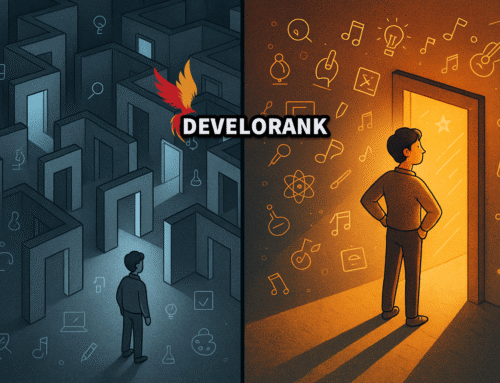

🚀 Why Niche Business Branding Demands a Different Playbook
Understanding how to brand your niche business isn’t just about applying generic marketing principles to a smaller audience—it’s about mastering the art of precision targeting while building deep emotional connections with a highly specific customer base. Unlike mass-market brands that cast wide nets, niche businesses must become laser-focused brand architects who understand that their success depends on becoming indispensable to a select group of customers.
The fundamental challenge facing niche business owners lies in the paradox of specialization: while your market may be smaller, your brand must work exponentially harder to establish authority, trust, and memorability within that space. Research from the Harvard Business Review indicates that niche businesses with strong brand positioning achieve 23% higher profit margins than their generic counterparts, yet 67% of specialized businesses struggle with brand clarity and consistent messaging.
🎯 Your niche business operates in a unique ecosystem where every brand touchpoint carries amplified weight. A single negative review can ripple through your entire target market, while a perfectly crafted brand experience can generate word-of-mouth marketing that money can’t buy. This reality demands a sophisticated understanding of brand psychology, customer journey mapping, and the delicate balance between expertise demonstration and accessibility.
The modern niche business landscape has been transformed by digital connectivity, allowing specialized brands to reach global audiences while maintaining intimate customer relationships. However, this opportunity comes with increased competition as geographical barriers dissolve and customers gain access to niche providers worldwide. Your brand must not only establish local authority but also compete on a global stage while maintaining the personal touch that niche customers expect.
🧠 Decoding Your Niche Customer’s Psychology
The foundation of effective niche branding lies in developing an almost telepathic understanding of your customer’s psychological drivers, pain points, and decision-making processes. Unlike mass-market consumers who may make impulse purchases, niche customers typically engage in extensive research, seek expert validation, and prioritize long-term value over immediate gratification.
🔍 Advanced Customer Persona Development
Creating effective customer personas for niche businesses requires going beyond basic demographics to explore psychographic territories that most businesses never consider. Your ideal customer’s relationship with your niche isn’t just transactional—it’s often deeply personal, tied to their identity, aspirations, or professional success.
🎭 Consider the emotional landscape your customers navigate when seeking your services. A specialized software consultant serving healthcare practices doesn’t just solve technical problems; they alleviate the anxiety of compliance failures, reduce the fear of data breaches, and provide the confidence that comes with expert guidance. Understanding these emotional undercurrents allows you to craft brand messaging that resonates on multiple levels.
The most successful niche brands develop what behavioral psychologists call “empathetic expertise”—the ability to demonstrate deep technical knowledge while acknowledging the emotional journey their customers experience. This requires mapping not just what your customers do, but how they feel at each stage of their interaction with your industry.
📊 Behavioral Pattern Analysis
Niche customers follow predictable behavioral patterns that differ significantly from general market consumers. They typically engage in what researchers call “validation seeking behavior,” where they actively search for multiple sources of confirmation before making decisions. This behavior creates opportunities for brands that position themselves as authoritative validators within their space.
🔬 The decision-making timeline for niche purchases often extends far beyond typical consumer goods. B2B niche customers may research for months before engaging, while specialized consumer niches involve customers who view their purchases as investments in their identity or lifestyle. Understanding these extended timelines allows you to create brand touchpoints that nurture relationships over time rather than pushing for immediate conversions.
| 🎯 Customer Type | ⏱️ Research Timeline | 🔑 Key Motivator | 📈 Brand Opportunity |
|---|---|---|---|
| Technical B2B | 3-6 months | Risk mitigation | Thought leadership |
| Hobbyist Enthusiast | 2-8 weeks | Passion fulfillment | Community building |
| Professional Specialist | 1-3 months | Competitive advantage | Expertise validation |
🎨 Crafting Your Niche Brand Identity
Developing a compelling brand identity for your niche business requires balancing professional credibility with memorable distinctiveness. Your brand identity must immediately communicate expertise while creating emotional resonance that transforms casual prospects into devoted advocates.
🏗️ Foundation Elements That Matter
The cornerstone of niche brand identity lies in what brand strategists call “authoritative approachability”—the ability to demonstrate deep expertise without intimidating potential customers. This balance requires careful consideration of every visual and verbal element that represents your brand.
🎯 Your brand name should immediately convey your niche focus while remaining memorable and pronounceable. Avoid the temptation to choose overly technical names that only industry insiders understand, but equally avoid generic names that fail to communicate your specialization. The most effective niche brand names create instant mental associations with both the problem you solve and the expertise you bring.
Color psychology plays a crucial role in niche branding, as your target audience likely has existing associations with certain colors within your industry. However, strategic color differentiation can help you stand out in crowded niche markets. Research the color patterns used by your direct competitors and consider how you can maintain industry appropriateness while creating visual distinction.
📝 Messaging Architecture for Niche Markets
Effective niche messaging requires a sophisticated understanding of industry language and customer communication preferences. Your messaging must demonstrate insider knowledge while remaining accessible to decision-makers who may not share your technical background.
🗣️ Develop a messaging hierarchy that addresses different levels of expertise within your target market. Your primary messaging should resonate with the ultimate decision-maker, while supporting messages can address the technical evaluators, financial approvers, and end-users who may influence the decision process.
The most powerful niche brands develop proprietary frameworks or methodologies that become synonymous with their approach. These frameworks serve multiple purposes: they demonstrate thought leadership, create memorable differentiation, and provide structure for customer education and sales conversations.
- 🎯 Primary value proposition that addresses the biggest pain point
- 🔧 Supporting messages for different stakeholder types
- 📚 Educational content that builds authority
- 🏆 Proof points and credibility indicators
- 💬 Conversational language that humanizes expertise
🏆 Positioning Strategies for Market Dominance
Strategic positioning in niche markets requires a fundamentally different approach than mass-market positioning. Instead of competing for share of voice, you’re competing for share of mind within a highly informed and connected community where reputation travels fast and expertise is constantly evaluated.
🎯 The Authority-First Positioning Model
Niche businesses must establish authority before attempting to scale. This “authority-first” approach prioritizes expertise demonstration and thought leadership over traditional marketing metrics like reach or impressions. Your positioning strategy should focus on becoming the definitive expert in your specific niche rather than trying to appeal to adjacent markets.
🧠 Authority positioning requires consistent demonstration of deep knowledge through multiple channels and formats. This isn’t just about creating content—it’s about contributing meaningfully to industry conversations, solving complex problems publicly, and sharing insights that advance the entire field.
The most effective authority positioning combines three elements: technical expertise, practical application, and teaching ability. Customers don’t just want to know that you’re knowledgeable; they want to see how you apply that knowledge to solve real problems and how effectively you can transfer that knowledge to them.
🔄 Competitive Differentiation in Crowded Niches
Even specialized niches can become crowded as markets mature and barriers to entry decrease. Effective differentiation requires identifying unique angles that competitors haven’t claimed or developing superior execution of commonly offered services.
🎪 Consider differentiation through methodology, target sub-segments, delivery models, or outcome guarantees. The goal isn’t to be different for the sake of being different, but to be different in ways that create meaningful value for your specific target market.
Successful niche differentiation often involves combining expertise from multiple disciplines to create unique solutions. This interdisciplinary approach can create significant competitive advantages while making your services more difficult to replicate.
💬 Mastering Niche Communication Strategies
Communication in niche markets requires a sophisticated understanding of industry language, cultural norms, and information consumption preferences. Your communication strategy must balance insider credibility with outsider accessibility, ensuring that you can speak fluently to industry experts while remaining comprehensible to decision-makers from other backgrounds.
📚 Content Strategy for Thought Leadership
Niche content strategy extends far beyond traditional blog posts and social media updates. Your content must demonstrate deep expertise while providing genuine value to an audience that likely includes your competitors and potential partners as well as prospects.
📖 Develop content that advances industry knowledge rather than simply promoting your services. This approach builds authority while creating valuable resources that industry professionals will reference and share. Consider creating comprehensive guides, original research, case study analyses, and predictive insights that help shape industry conversations.
The most effective niche content strategies involve multiple formats and distribution channels to accommodate different learning preferences and consumption contexts. Some audience members prefer detailed written analyses, while others respond better to visual explanations or audio discussions.
- 🔬 Original research and industry surveys
- 📊 Detailed case studies with measurable outcomes
- 🎓 Educational content that builds industry knowledge
- 🔮 Trend analysis and future predictions
- 🛠️ Practical tools and frameworks
- 🎯 Problem-solving methodologies
🌐 Multi-Channel Communication Orchestration
Niche audiences often consume information across multiple channels and platforms, requiring a coordinated approach that maintains message consistency while adapting to platform-specific communication norms. Your communication strategy should create a cohesive experience regardless of where prospects encounter your brand.
🎵 Think of your communication strategy as an orchestra where each channel plays a specific role in creating a harmonious overall experience. LinkedIn might serve as your primary thought leadership platform, while industry publications provide credibility through third-party validation, and speaking engagements offer face-to-face authority building.
🌟 Building Brand Authority in Your Specialized Field
Brand authority in niche markets isn’t just about being known—it’s about being recognized as the definitive expert whose opinions shape industry thinking and whose recommendations influence purchasing decisions. Building this level of authority requires strategic thinking, consistent execution, and patience to allow your reputation to compound over time.
🎓 Educational Leadership Strategies
The fastest path to niche authority involves becoming the primary educator in your field. This means going beyond sharing existing knowledge to creating new frameworks, methodologies, and insights that advance industry understanding.
🏫 Educational leadership requires a commitment to teaching that extends beyond your immediate commercial interests. The most authoritative niche brands regularly share insights that help their entire industry improve, even when that knowledge could theoretically benefit competitors.
Consider developing signature educational programs, certification courses, or training methodologies that become industry standards. When your educational content becomes required learning for industry professionals, your authority becomes unassailable.
🤝 Strategic Partnership and Collaboration
Authority building in niche markets often involves strategic collaboration with other respected industry figures, complementary service providers, and industry organizations. These partnerships can accelerate authority building while expanding your reach within the target market.
🤝 Look for collaboration opportunities that create mutual value while exposing you to new audiences within your niche. Joint research projects, co-authored content, shared speaking engagements, and cross-promotional partnerships can significantly amplify your authority-building efforts.
The key to successful authority partnerships lies in choosing collaborators whose expertise complements rather than competes with yours, and whose reputation enhances rather than diminishes your own credibility.
🎯 How to Brand Your Niche Business Through Customer Experience Excellence
In niche markets, customer experience becomes a primary brand differentiator because word-of-mouth travels quickly through specialized communities. Every customer interaction contributes to your brand reputation, making experience design a critical component of your overall branding strategy.
🛤️ Journey Mapping for Niche Customers
Niche customer journeys often involve longer decision cycles, multiple stakeholders, and higher stakes than typical consumer purchases. Understanding and optimizing these complex journeys requires detailed mapping of every touchpoint, emotion, and decision factor that influences the customer experience.
🗺️ Begin by identifying all the micro-moments where customers form impressions about your brand. These might include initial research phases, peer recommendation conversations, proposal evaluation processes, onboarding experiences, and ongoing service delivery touchpoints.
The most successful niche brands design experiences that exceed expectations at each critical moment while maintaining consistency across all touchpoints. This requires understanding not just what customers need, but how they prefer to receive information, make decisions, and engage with service providers.
| 🎯 Journey Stage | 😊 Customer Emotion | 🎪 Brand Opportunity | 📊 Success Metric |
|---|---|---|---|
| Problem Recognition | Anxiety | Educational Content | Content Engagement |
| Solution Research | Overwhelm | Guidance & Clarity | Consultation Requests |
| Vendor Evaluation | Skepticism | Proof & Validation | Proposal Acceptance |
| Implementation | Anticipation | Smooth Onboarding | Time to Value |
🏅 Service Excellence as Brand Differentiation
In niche markets, service excellence often becomes the primary competitive differentiator because technical capabilities may be similar across providers. Your service delivery approach, communication style, and problem-solving methodology become integral components of your brand identity.
🎯 Develop service standards that reflect your brand values while exceeding industry norms. This might involve response time commitments, communication frequency protocols, or outcome guarantees that demonstrate confidence in your capabilities.
The most memorable niche brands create signature service experiences that customers eagerly share with peers. These experiences often involve going beyond the contracted scope to solve adjacent problems or providing insights that help customers succeed in areas outside your direct expertise.
📱 Digital Brand Presence for Niche Markets
Digital presence for niche businesses requires a strategic approach that balances broad visibility with targeted engagement. Your digital brand presence must efficiently reach your specific audience while building authority that attracts referrals and partnerships.
🌐 Platform Selection and Optimization
Not all digital platforms are created equal for niche businesses. Your platform selection should be based on where your target audience actively seeks information, engages in professional discussions, and makes purchasing decisions rather than where general marketing advice suggests you should be.
🎯 Research the digital behavior patterns of your specific niche audience. B2B technical niches might find LinkedIn and industry-specific forums most valuable, while consumer hobby niches might thrive on YouTube and specialized community platforms.
The key to effective niche digital presence lies in depth rather than breadth. It’s better to maintain an authoritative presence on two or three platforms than to spread thin across many platforms with mediocre content and engagement.
- 🔍 Research where your audience actively seeks information
- 📊 Analyze competitor presence and engagement patterns
- 🎯 Choose platforms that align with your content strengths
- ⏰ Consider the time investment required for each platform
- 📈 Prioritize platforms with measurable business impact
🔍 SEO Strategy for Specialized Keywords
Niche SEO requires a sophisticated understanding of how your target audience searches for solutions, the language they use, and the information hierarchy that guides their research process. Generic SEO advice often fails in niche markets because search volumes are lower and competition dynamics are different.
🎯 Focus on long-tail keywords that reflect the specific problems your audience faces and the technical language they use to describe solutions. These keywords may have lower search volumes but typically indicate higher purchase intent and less competition.
Develop content clusters around core niche topics that demonstrate comprehensive expertise while capturing search traffic at different stages of the customer journey. This approach builds topical authority while serving the diverse information needs of your specialized audience.
🤝 Community Building and Network Effects
Successful niche brands often become the center of gravity for their specialized communities, creating network effects that accelerate growth and strengthen competitive positioning. Building and nurturing these communities requires a long-term perspective and genuine commitment to serving the broader industry.
👥 Creating Industry Connections
Community building in niche markets involves facilitating connections between industry participants, sharing knowledge that benefits the entire ecosystem, and creating forums for meaningful professional interaction. Your brand becomes stronger when it serves as a catalyst for industry advancement.
🌱 Consider hosting industry events, creating professional groups, or facilitating introductions between complementary service providers. These activities build goodwill while positioning your brand at the center of industry relationships.
The most successful community-building efforts focus on creating value for participants rather than promoting your services. When you consistently help others succeed, they naturally think of you when opportunities arise or when peers seek recommendations.
📢 Thought Leadership Through Industry Participation
Active participation in industry conversations, conferences, and professional organizations accelerates brand building while providing opportunities to demonstrate expertise in real-time. This participation should be strategic, focusing on venues and conversations that reach your target audience.
🎤 Seek speaking opportunities at industry events, contribute to professional publications, and participate in panel discussions that showcase your expertise. These activities build credibility while expanding your reach within the niche community.
Remember that thought leadership requires having thoughts worth leading with. Develop unique perspectives, challenge conventional wisdom when appropriate, and contribute insights that advance industry thinking rather than simply restating common knowledge.
📊 Measuring and Optimizing Your Niche Brand Performance
Brand measurement in niche markets requires different metrics and methodologies than mass-market brand tracking. Your measurement strategy should focus on indicators that predict business success while providing actionable insights for brand optimization.
📈 Key Performance Indicators for Niche Branding
Traditional brand metrics like awareness and reach may be less relevant for niche businesses than indicators of authority, trust, and recommendation likelihood. Develop a measurement framework that captures the unique dynamics of your specialized market.
🎯 Focus on metrics that indicate brand strength within your target audience rather than general market awareness. Share of voice within industry publications, speaking invitation frequency, and peer recognition often provide better insights than traditional advertising metrics.
Consider implementing regular brand health surveys within your target market to track perception changes over time. These surveys should measure not just awareness but also perceived expertise, trustworthiness, and likelihood to recommend.
- 🎯 Target audience awareness and recall
- 🏆 Perceived expertise and authority
- 💰 Share of consideration in purchase decisions
- 🗣️ Word-of-mouth and referral rates
- 📱 Digital engagement quality and depth
- 🤝 Industry relationship strength
- 📊 Competitive positioning perception
🔄 Continuous Brand Evolution
Niche markets evolve rapidly as technology advances, regulations change, and customer needs shift. Your brand must be agile enough to adapt while maintaining the core identity and positioning that customers recognize and trust.
🔄 Establish regular brand review processes that assess market changes, competitive developments, and customer feedback to identify necessary adjustments. These reviews should balance the need for evolution with the importance of consistency.
The most successful niche brands evolve their expression while maintaining their core essence. This might involve updating visual identity, expanding service offerings, or adjusting messaging while preserving the fundamental brand promise and personality that customers value.
💰 Budget-Conscious Branding for Growing Niche Businesses
Most niche businesses operate with limited marketing budgets, requiring creative approaches to brand building that maximize impact while minimizing costs. The key lies in focusing resources on high-impact activities that build long-term brand value rather than short-term visibility.
🎯 High-Impact, Low-Cost Brand Building Tactics
Effective niche branding often relies more on consistency and expertise demonstration than expensive advertising campaigns. Focus your limited resources on activities that build authority and relationships within your target market.
💡 Content creation, speaking engagements, and strategic networking often provide better brand-building ROI than traditional advertising for niche businesses. These activities require time investment rather than large financial outlays while building lasting brand assets.
Consider partnerships and collaborations that allow you to access larger audiences without proportional cost increases. Joint ventures, guest content opportunities, and cross-promotional arrangements can significantly amplify your brand reach.
- 📝 Consistent, high-quality content creation
- 🎤 Speaking at industry events and webinars
- 🤝 Strategic partnerships and collaborations
- 📚 Guest content for industry publications
- 🌐 Active participation in professional communities
- 📊 Original research and industry surveys
- 🎓 Educational workshops and training sessions
⏰ Phased Brand Development Approach
Rather than attempting to build a complete brand presence immediately, consider a phased approach that allows you to develop brand elements progressively as your business grows and resources become available.
🏗️ Start with foundational elements like clear messaging, basic visual identity, and consistent communication standards. These elements provide the framework for future brand development while ensuring consistency from the beginning.
As your business grows, you can invest in more sophisticated brand elements like custom design work, professional photography, advanced digital presence, and comprehensive marketing materials. This approach allows you to maintain brand quality while managing cash flow effectively.
🚀 Advanced Strategies: How to Brand Your Niche Business for Scale
As your niche business grows, your branding strategy must evolve to support larger operations while maintaining the intimate customer relationships that drive niche success. Scaling a niche brand requires careful balance between growth and authenticity.
📈 Scaling Without Losing Niche Appeal
The challenge of scaling niche brands lies in maintaining the personal touch and specialized expertise that customers value while developing systems and processes that support larger operations. This requires thoughtful systematization of brand experiences.
🎯 Document and systematize the elements of your brand experience that customers value most. This might include communication styles, problem-solving approaches, or service delivery methodologies that can be taught to team members as you grow.
Consider how to maintain founder involvement in key brand touchpoints while delegating operational responsibilities. Many successful niche brands maintain founder visibility in thought leadership and key customer relationships while building teams to handle delivery and operations.
🌍 Geographic and Market Expansion
Expanding niche brands into new geographic markets or adjacent market segments requires careful consideration of how brand positioning and messaging may need to adapt while maintaining core identity elements.
🗺️ Research how your niche operates in different geographic markets or industry segments. Cultural differences, regulatory variations, and competitive landscapes may require brand adaptation while preserving your core value proposition.
Consider partnerships or licensing arrangements that allow you to expand reach while maintaining brand control. These approaches can provide market entry opportunities without the full investment required for direct expansion.
🛡️ Protecting and Defending Your Niche Brand
Strong niche brands inevitably attract competition and imitation. Protecting your brand position requires both legal protections and strategic competitive responses that reinforce your market leadership.
⚖️ Legal Brand Protection Strategies
Trademark protection becomes particularly important for niche brands because your brand name and unique methodologies may become industry standards that competitors attempt to appropriate. Consult with intellectual property attorneys to understand protection options for your brand elements.
🛡️ Consider protecting not just your business name but also proprietary methodologies, frameworks, and terminology that become associated with your brand. These intellectual property assets can provide competitive advantages while creating additional revenue opportunities through licensing.
🏃♂️ Staying Ahead of Competition
The best defense against competitive threats is continued innovation and relationship strengthening that makes your brand increasingly difficult to replicate. Focus on building deeper customer relationships and expanding your expertise rather than simply defending existing positions.
🚀 Continuously evolve your service offerings, deepen your expertise, and strengthen your industry relationships to maintain competitive advantages. The goal is to make your brand so valuable and unique that customers wouldn’t consider alternatives.
🎯 Transforming Your Specialized Business Into an Unforgettable Brand
Successfully branding your niche business requires a sophisticated understanding of specialized market dynamics, customer psychology, and the unique challenges of building authority within focused industries. The strategies outlined in this guide provide a comprehensive framework for developing a brand that not only stands out in your niche but becomes synonymous with excellence and expertise.
🏆 Remember that niche branding is a marathon, not a sprint. The most successful specialized brands are built through consistent expertise demonstration, authentic relationship building, and unwavering commitment to serving their target market’s evolving needs. Your brand becomes stronger with each satisfied customer, each piece of valuable content, and each contribution to your industry’s advancement.
The investment you make in strategic brand development today will compound over time, creating competitive advantages that become increasingly difficult for competitors to replicate. As your reputation grows and your expertise deepens, your brand becomes not just a business asset but a valuable industry resource that customers, partners, and even competitors respect and reference.
🌟 Your niche business has the potential to become the definitive authority in your specialized field. By applying these proven strategies with consistency and patience, you’ll build a brand that not only attracts ideal customers but also commands premium pricing, generates referrals, and creates lasting business value that extends far beyond your immediate market presence.
❓ Frequently Asked Questions About Niche Business Branding
🤔 How long does it take to build a strong niche brand?
Building a strong niche brand typically takes 18-36 months of consistent effort, depending on your market’s complexity and competition level. Authority building requires patience, as trust develops through repeated demonstration of expertise and reliable service delivery. Most successful niche brands see significant recognition within their first year but achieve market leadership status in years two to three.
💰 What’s the minimum budget needed for effective niche branding?
Effective niche branding can begin with budgets as low as $2,000-5,000 annually, focusing on content creation, basic visual identity, and strategic networking. The key is prioritizing high-impact, low-cost activities like thought leadership content, speaking engagements, and industry participation over expensive advertising campaigns. Time investment often matters more than financial investment in niche markets.
🎯 Should I focus on one niche or serve multiple specialized markets?
Initially, focus on one clearly defined niche to build authority and market recognition. Attempting to serve multiple niches simultaneously often results in diluted messaging and weaker positioning. Once you’ve established dominance in your primary niche, you can consider expanding to adjacent markets, but maintain clear positioning for each segment.
📱 Which digital platforms are most important for niche businesses?
Platform importance varies by niche, but LinkedIn consistently proves valuable for B2B niches, while YouTube excels for educational and hobbyist markets. Research where your specific audience seeks information and engages professionally. It’s better to maintain strong presence on 2-3 relevant platforms than weak presence across many platforms.
🔄 How often should I update my niche brand strategy?
Conduct comprehensive brand strategy reviews annually, with quarterly check-ins to assess market changes and competitive developments. Niche markets can evolve rapidly due to technology, regulations, or industry consolidation. However, avoid frequent major changes that confuse customers—evolution should be strategic and gradual.
🏆 What’s the biggest mistake niche businesses make with branding?
The most common mistake is trying to appeal to everyone rather than deeply serving their specific niche. This leads to generic messaging that fails to resonate with anyone. Successful niche brands embrace their specialization and speak directly to their target audience’s specific needs, even if it means excluding potential customers outside their niche.
📊 How do I measure brand success in a small niche market?
Focus on quality metrics over quantity: referral rates, industry recognition, speaking invitations, media mentions, and share of consideration among target customers. Track metrics like average project value, customer lifetime value, and retention rates, which often indicate stronger brand positioning than traditional awareness metrics.