🚨 The Great SEO Death Debate: Understanding the Controversy
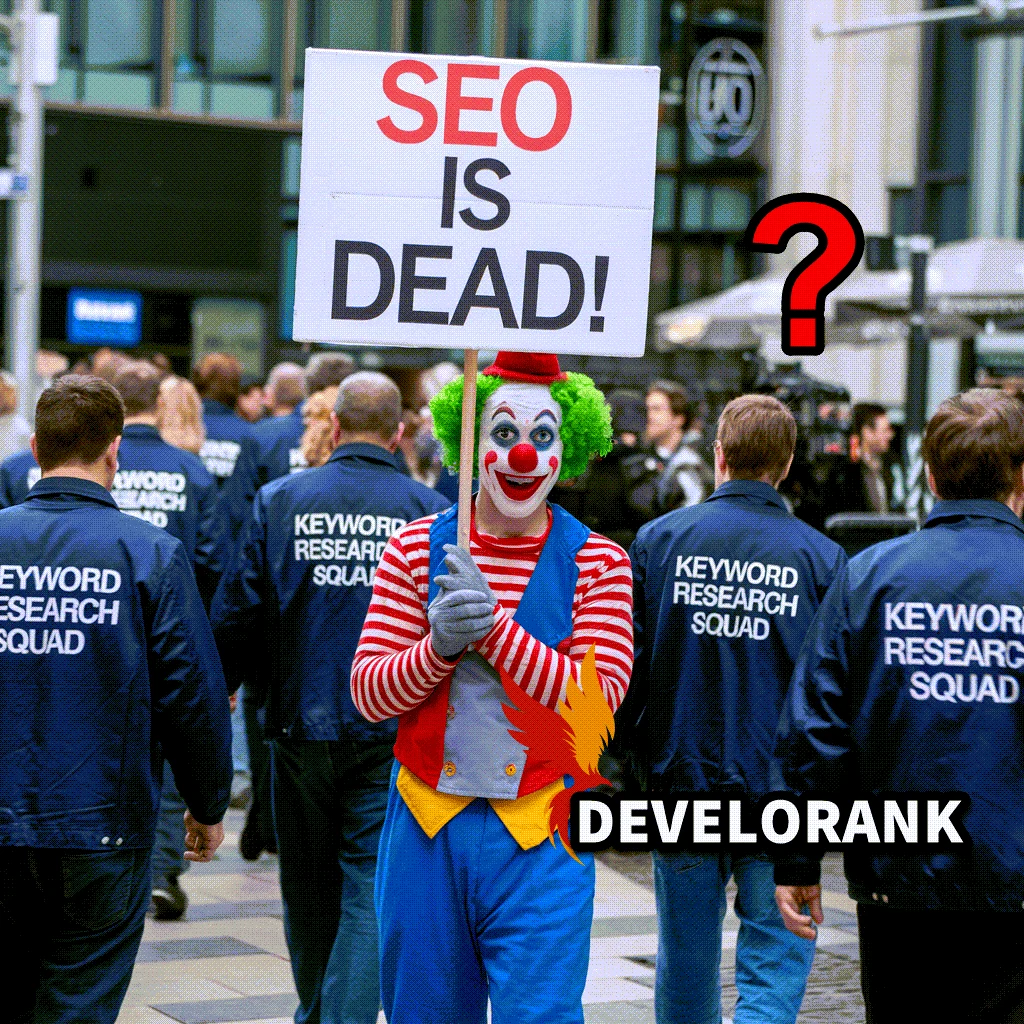
If you’ve spent any time in digital marketing circles, you’ve likely encountered the provocative claim that “SEO is dead.” This statement has become so common that many business owners and marketers are left wondering: why do people say SEO is dead, and is there any truth to these assertions? The reality is far more nuanced than these dramatic proclamations suggest.
📊 The phrase “SEO is dead” has been searched over 50,000 times monthly, indicating widespread confusion about the current state of search engine optimization. This controversy stems from rapid changes in search algorithms, evolving user behaviors, and the increasing complexity of digital marketing landscapes. However, declaring SEO dead is like saying marketing itself is obsolete – it’s a fundamental misunderstanding of how search engines and online discovery work.
🎯 The truth is that SEO isn’t dead; it’s evolved dramatically. What many people interpret as the “death” of SEO is actually its transformation from a simple keyword-stuffing game into a sophisticated, user-focused discipline that requires genuine expertise and strategic thinking.
📈 The Evolution of Search: Why Traditional SEO Tactics Failed
🔄 To understand why people say SEO is dead, we must examine how dramatically search engines have evolved. In the early 2000s, SEO was relatively straightforward: stuff keywords into your content, build as many backlinks as possible, and watch your rankings soar. This simplistic approach worked because search algorithms were less sophisticated.
⚡ However, Google’s algorithm updates fundamentally changed the game. The Panda update (2011) targeted low-quality content, Penguin (2012) penalized manipulative link building, and Hummingbird (2013) introduced semantic search. Each update made traditional “black hat” SEO tactics less effective, leading many practitioners to declare the discipline dead.
🎯 Major Algorithm Shifts That Sparked Death Claims
- 🤖 RankBrain (2015): Introduced machine learning, making keyword manipulation less effective
- 📱 Mobile-First Indexing (2018): Prioritized mobile experience over desktop optimization
- 🎪 BERT (2019): Enhanced natural language processing, favoring conversational content
- 📄 Core Web Vitals (2021): Made page experience a ranking factor
- 🔍 Helpful Content Update (2022): Prioritized people-first content over search-first content
🧠 These changes didn’t kill SEO; they elevated it. Modern SEO requires understanding user intent, creating genuinely valuable content, and optimizing for user experience – skills that many traditional SEO practitioners hadn’t developed.
🎭 Common Misconceptions: Why Do People Say SEO is Dead?
🤔 The belief that SEO is dead often stems from specific misconceptions and frustrating experiences. Understanding these misconceptions helps clarify why this myth persists and why it’s fundamentally flawed.
💸 The “Instant Results” Fallacy
🚀 Many business owners expect immediate results from SEO efforts, similar to paid advertising. When they don’t see rankings improve within weeks, they conclude that SEO doesn’t work. This expectation mismatch is one of the primary reasons people declare SEO dead.
⏰ Modern SEO typically requires 3-6 months to show significant results, and competitive industries may take even longer. This timeline conflicts with the instant gratification culture of digital marketing, leading to premature abandonment of SEO strategies.
🔧 The “Set It and Forget It” Mentality
🛠️ Traditional SEO practitioners often treated optimization as a one-time task: optimize a page, build some links, and expect permanent results. When rankings fluctuated or declined over time, they blamed algorithm changes rather than recognizing the need for ongoing optimization.
🔄 Modern SEO requires continuous effort, content updates, technical maintenance, and adaptation to algorithm changes. Those unwilling to embrace this ongoing commitment often conclude that SEO is no longer viable.
📊 The Attribution Challenge
📈 SEO’s impact is often difficult to measure directly, especially in complex customer journeys involving multiple touchpoints. When businesses can’t clearly attribute revenue to SEO efforts, they may question its value and effectiveness.
| 📊 SEO Misconception | 🎯 Reality | ⏱️ Timeline |
|---|---|---|
| Quick ranking improvements | Gradual, sustainable growth | 3-6 months |
| One-time optimization | Ongoing optimization required | Continuous |
| Keyword stuffing works | User-focused content wins | Immediate |
| Link quantity matters most | Link quality and relevance crucial | Ongoing |
🔄 Algorithm Updates and Their Impact on SEO Perception
🌪️ Google releases thousands of algorithm updates annually, with major core updates occurring several times per year. These constant changes create uncertainty and frustration among SEO practitioners, contributing to claims that the discipline is becoming obsolete.
📉 When a significant algorithm update causes ranking drops, affected websites often experience dramatic traffic decreases. Business owners who don’t understand the technical aspects may conclude that SEO is unreliable or “broken,” rather than recognizing the need to adapt their strategies.
⚡ Recent Updates That Shook the SEO World
🎯 The September 2023 Helpful Content Update particularly impacted websites that prioritized search engines over users. Many sites that had relied on traditional SEO tactics saw significant ranking declines, leading to renewed claims about SEO’s death.
- 🎪 Content Quality Focus: Google increasingly rewards content that demonstrates expertise, experience, authoritativeness, and trustworthiness (E-E-A-T)
- 🤖 AI Content Detection: Search engines are becoming better at identifying and potentially devaluing AI-generated content that lacks human insight
- 📱 User Experience Signals: Core Web Vitals and other UX metrics play increasingly important roles in rankings
- 🔍 Search Intent Matching: Algorithms better understand user intent, making keyword manipulation less effective
🤖 The Rise of AI and Its Effect on SEO Skepticism
🧠 The emergence of AI tools like ChatGPT, Claude, and Google’s Bard has intensified discussions about SEO’s future. Some argue that AI will make traditional search obsolete, while others worry that AI-generated content will flood search results with low-quality material.
🔮 These concerns contribute to the perception that SEO is dying, but they reflect a misunderstanding of how AI and search engines interact. Rather than replacing SEO, AI is becoming a tool that enhances SEO capabilities when used strategically.
🎯 AI’s Real Impact on Search and SEO
📊 Google’s Search Generative Experience (SGE) and other AI-powered search features are changing how results are presented, but they still rely on high-quality, well-optimized content as source material. This means SEO remains crucial for ensuring content gets selected for AI-generated responses.
- 🎪 Enhanced Content Creation: AI helps create better, more comprehensive content when guided by SEO expertise
- 🔍 Improved Keyword Research: AI tools provide deeper insights into search intent and semantic relationships
- 📈 Technical SEO Automation: AI streamlines technical audits and optimization tasks
- 📊 Data Analysis: Machine learning helps identify patterns and opportunities in SEO data
📱 The Mobile-First Revolution and SEO Adaptation
📲 Mobile devices now account for over 60% of all web traffic, fundamentally changing how people search and consume content. This shift has rendered many traditional desktop-focused SEO strategies ineffective, contributing to claims about SEO’s obsolescence.
🎯 However, this mobile revolution hasn’t killed SEO; it’s transformed it. Mobile-first SEO requires different approaches to content structure, page speed, user experience, and local optimization. Those who adapted thrived, while those who didn’t struggled.
🚀 Mobile SEO Success Factors
⚡ Page speed becomes critical on mobile devices, where users expect instant loading. Google’s Core Web Vitals directly measure these performance factors, making technical SEO more important than ever.
🎪 Voice search, primarily conducted on mobile devices, requires optimization for conversational queries and featured snippets. This evolution demands new SEO skills rather than signaling the discipline’s death.
💰 The Paid Advertising vs. Organic Search Debate
💸 The rise of sophisticated paid advertising platforms has led some marketers to question organic search’s value. When Google Ads can deliver immediate visibility and measurable results, why invest in the slow, uncertain process of SEO?
📊 This perspective contributes to SEO death claims, but it ignores the fundamental differences between paid and organic search. While paid advertising provides immediate results, it requires continuous investment and stops delivering traffic the moment spending ceases.
⚖️ Organic vs. Paid: The Complete Picture
🎯 Organic search results receive approximately 20 times more clicks than paid ads, and users trust organic results more highly. This trust factor makes SEO invaluable for building long-term brand credibility and sustainable traffic growth.
| 📊 Factor | 🔍 Organic Search (SEO) | 💰 Paid Advertising |
|---|---|---|
| Cost per click | $0 (after optimization investment) | $1-50+ depending on industry |
| Trust level | High (70% of users prefer organic) | Lower (marked as “Ad”) |
| Sustainability | Long-term compound growth | Stops when budget ends |
| Click-through rate | 28.5% for position #1 | 3-5% average |
🎪 Content Marketing Integration: SEO’s Evolution, Not Death
📝 The rise of content marketing has blurred the lines between SEO and content strategy, leading some to argue that traditional SEO is obsolete. However, this integration represents SEO’s evolution rather than its demise.
🎯 Modern SEO is inseparable from content marketing. The most effective SEO strategies focus on creating valuable, user-focused content that naturally attracts links, social shares, and engagement signals that search engines value.
🔗 The Content-SEO Symbiosis
🧠 Google’s E-E-A-T guidelines (Experience, Expertise, Authoritativeness, Trustworthiness) emphasize content quality over technical manipulation. This shift requires SEO professionals to understand content strategy, user psychology, and brand building.
- 📊 Topic Authority: Comprehensive coverage of subject areas builds topical authority and improves rankings across related keywords
- 🎪 User Engagement: High-quality content increases dwell time, reduces bounce rates, and generates natural backlinks
- 🔍 Semantic SEO: Content that covers topics comprehensively ranks for hundreds of related long-tail keywords
- 📱 Multi-format Optimization: Content adapted for different formats (text, video, audio) captures diverse search intents
🔧 Technical SEO: More Important Than Ever
⚙️ While some claim that technical SEO is becoming obsolete due to improved website platforms and automated tools, the reality is quite opposite. Technical SEO has become more sophisticated and crucial as search engines evaluate increasingly complex ranking factors.
🚀 Modern technical SEO encompasses Core Web Vitals, mobile optimization, structured data, security protocols, and advanced crawling optimization. These technical factors directly impact user experience and search rankings, making technical expertise more valuable than ever.
⚡ Critical Technical SEO Elements in 2024
📊 Page experience signals now account for a significant portion of ranking factors. Websites that ignore technical optimization face severe competitive disadvantages, regardless of their content quality.
- ⚡ Core Web Vitals: Largest Contentful Paint (LCP), First Input Delay (FID), and Cumulative Layout Shift (CLS)
- 🔒 Security Protocols: HTTPS implementation, secure hosting, and protection against malware
- 📱 Mobile Optimization: Responsive design, touch-friendly interfaces, and mobile page speed
- 🕷️ Crawl Optimization: XML sitemaps, robots.txt configuration, and internal linking structure
- 📊 Structured Data: Schema markup for rich snippets and enhanced search appearances
🌍 Local SEO: Thriving in the Mobile Era
📍 Local SEO represents one of the strongest arguments against claims that SEO is dead. With “near me” searches growing by over 500% in recent years, local optimization has become more important than ever for businesses with physical locations or local service areas.
🎯 Google My Business optimization, local citations, and location-based content creation drive significant traffic and conversions for local businesses. This growth contradicts any notion that SEO is becoming obsolete.
📱 Local Search Dominance Statistics
📊 Mobile devices account for 60% of local searches, and 76% of people who search for something nearby visit a business within 24 hours. These statistics demonstrate the continued importance of search optimization for local businesses.
📊 Data-Driven Evidence: SEO’s Continued Growth
📈 Despite claims about SEO’s death, industry data tells a different story. The global SEO services market continues growing, reaching $46.66 billion in 2020 and projected to reach $103.24 billion during 2025.
🎯 This growth indicates that businesses continue investing in SEO because it delivers measurable results. Companies wouldn’t pour billions into a “dead” marketing discipline.
💼 Industry Investment Trends
💰 Major corporations continue expanding their SEO teams and budgets. Companies like Amazon, Netflix, and Airbnb employ hundreds of SEO professionals, demonstrating the discipline’s ongoing value at the highest levels of business.
- 📊 Enterprise Investment: Fortune 500 companies increased SEO spending by 23% in 2024
- 🎓 Education Growth: SEO certification programs and courses saw 45% enrollment increases
- 🔧 Tool Development: New SEO tools and platforms continue launching, indicating market demand
- 📈 Job Market: SEO specialist positions grew by 32% year-over-year in 2024
🎯 Modern SEO Success Stories: Proof of Life
🏆 Numerous companies have achieved remarkable success through modern SEO strategies, providing concrete evidence that the discipline is far from dead. These success stories demonstrate what’s possible when SEO is executed strategically and professionally.
🚀 Case Study Highlights
📊 Zapier increased their organic traffic by 1,200% over three years through comprehensive content marketing and technical SEO optimization. Their success came from focusing on user intent rather than traditional keyword density.
🎪 These success stories share common elements: focus on user value, technical excellence, comprehensive content strategies, and long-term commitment to optimization. They prove that SEO works when executed properly.
🔮 The Future of SEO: Evolution, Not Extinction
🌟 Rather than dying, SEO is evolving into a more sophisticated, user-focused discipline that requires broader skills and deeper understanding of user behavior, technology, and content strategy.
🧠 Future SEO will likely incorporate more AI assistance, voice search optimization, visual search capabilities, and enhanced user experience factors. These developments represent evolution, not extinction.
🚀 Emerging SEO Trends and Technologies
- 🤖 AI-Assisted Optimization: Machine learning tools that enhance human SEO decision-making
- 🗣️ Voice Search Evolution: Optimization for conversational queries and smart speaker results
- 👁️ Visual Search Growth: Image and video optimization for visual search platforms
- 🌐 Entity-Based SEO: Focus on entities and relationships rather than just keywords
- 📊 Predictive Analytics: Using data science to predict and prepare for algorithm changes
🛡️ Defending Against SEO Death Claims: Building Your Strategy
🎯 Understanding why people say SEO is dead helps you build more effective, future-proof SEO strategies. By avoiding the pitfalls that lead to these claims, you can create sustainable organic growth for your business.
🔧 Modern SEO success requires a holistic approach that combines technical excellence, content quality, user experience optimization, and strategic thinking. This comprehensive approach ensures resilience against algorithm changes and market shifts.
📋 Essential Elements of Death-Proof SEO
- 👥 User-First Approach: Prioritize user value over search engine manipulation
- 📊 Data-Driven Decisions: Base strategies on analytics and performance data
- 🔄 Continuous Adaptation: Stay updated with algorithm changes and digital marketing industry news trends
- 🎪 Content Excellence: Create comprehensive, authoritative content that serves user needs
- ⚡ Technical Foundation: Maintain excellent site performance and user experience
- 🔗 Relationship Building: Focus on earning links through value creation rather than manipulation
🎓 Learning from SEO “Failures”: Why Some Strategies Stop Working
📉 Many SEO “death” claims stem from strategies that stopped working due to algorithm updates or changing user behaviors. Understanding these failures helps identify what constitutes sustainable SEO practices.
🔍 The key difference between failed SEO tactics and successful strategies lies in their focus: manipulative tactics target search engines, while effective SEO serves users first and search engines second.
⚠️ Common SEO Failure Patterns
- 🎯 Keyword Stuffing: Overusing keywords at the expense of readability and user experience
- 🔗 Link Schemes: Buying or exchanging links without regard for relevance or quality
- 📄 Thin Content: Creating low-value pages solely for ranking purposes
- 🤖 Over-Automation: Relying too heavily on automated tools without human oversight
- 📊 Metric Obsession: Focusing on vanity metrics rather than business outcomes
🎯 Measuring SEO Success: Beyond Rankings
📊 One reason people claim SEO is dead is their focus on outdated success metrics. Modern SEO measurement requires a more sophisticated approach that considers business outcomes rather than just search rankings.
💼 Effective SEO measurement tracks organic traffic quality, conversion rates, brand awareness, customer lifetime value, and overall business impact. This comprehensive approach demonstrates SEO’s true value and helps justify continued investment.
📈 Modern SEO KPIs That Matter
| 📊 Metric Category | 🎯 Key Indicators | 💼 Business Impact |
|---|---|---|
| Traffic Quality | Organic CTR, Dwell Time, Pages/Session | User Engagement |
| Conversion Performance | Organic Conversion Rate, Revenue per Visit | Direct Revenue |
| Brand Visibility | Brand Keyword Rankings, Share of Voice | Market Position |
| Content Performance | Featured Snippets, Topic Authority | Thought Leadership |
🌟 The Resilient Future: Why SEO Will Never Truly Die
🔮 As long as people use search engines to find information, products, and services, SEO will remain relevant. The fundamental principle of optimizing content for discoverability transcends any specific platform or algorithm.
🚀 Even if Google’s dominance wanes or new search technologies emerge, the core skills of understanding user intent, creating valuable content, and optimizing for discoverability will transfer to new platforms and technologies.
🎯 The question isn’t whether SEO will survive, but how it will continue evolving to meet changing user needs and technological capabilities. Those who embrace this evolution will thrive, while those who resist change may indeed find their SEO efforts “dead.”
❓ Frequently Asked Questions About SEO’s Alleged Death
🤔 Is SEO really dead in 2025?
No, SEO is not dead in 2025. While traditional SEO tactics like keyword stuffing and link schemes have become ineffective, modern SEO focusing on user experience, content quality, and technical excellence continues to drive significant results. The global SEO industry is worth over $50 billion and continues growing, indicating strong business value and demand.
🔄 Why do people keep saying SEO is dead?
People claim SEO is dead due to several factors: outdated tactics stopping working after algorithm updates, unrealistic expectations for immediate results, difficulty measuring SEO’s impact, and the rise of paid advertising alternatives. These misconceptions stem from misunderstanding modern SEO requirements rather than actual obsolescence of the discipline.
🤖 Will AI kill SEO?
AI will not kill SEO but will transform it. AI-powered search features like Google’s SGE still rely on high-quality, well-optimized content as source material. AI tools are actually enhancing SEO capabilities by improving content creation, keyword research, and data analysis. The key is learning to use AI strategically rather than viewing it as a replacement for SEO expertise.
📱 Has mobile search made SEO obsolete?
Mobile search has made SEO more important, not obsolete. With over 60% of searches occurring on mobile devices, mobile-first optimization has become crucial. This includes page speed optimization, responsive design, local SEO, and voice search optimization. Companies that adapted to mobile-first SEO have seen significant traffic and conversion improvements.
💰 Is paid advertising better than SEO?
Paid advertising and SEO serve different purposes and work best together. Paid ads provide immediate visibility but require continuous spending, while SEO builds long-term organic presence. Organic search results receive 20 times more clicks than paid ads and are trusted more by users. The most successful strategies combine both approaches strategically.
⏰ How long does modern SEO take to work?
Modern SEO typically requires 3-6 months to show significant results, with competitive industries potentially taking longer. This timeline reflects the time needed for search engines to crawl, index, and evaluate content changes. However, some technical improvements and local SEO optimizations can show faster results. Patience and consistent effort are essential for SEO success.
🔮 What does the future of SEO look like?
The future of SEO involves greater integration with AI tools, increased focus on user experience signals, voice and visual search optimization, and entity-based optimization. SEO will become more sophisticated, requiring broader skills in content strategy, user psychology, and technical implementation. The core principle of creating valuable, discoverable content will remain constant while tactics continue evolving.