
🔝 Elevate Your Listings with SEO for Real Estate Websites
📋 CHECKLIST – REAL ESTATE BACLINK PROFILE
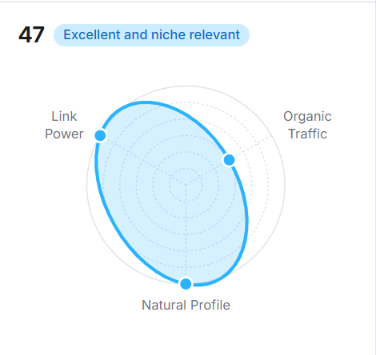
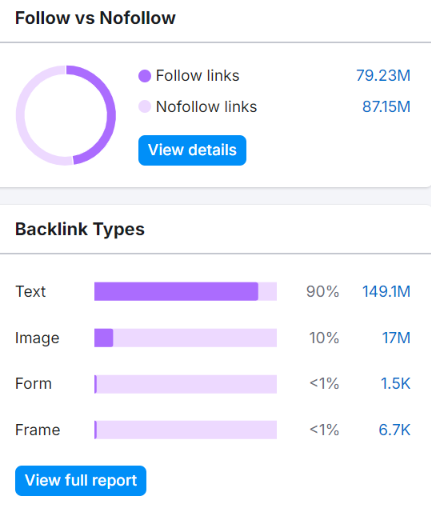
A strong backlink profile is crucial for improving your real estate website’s performance. Begin with natural links that grow organically from diverse sources and quality content. Then, focus on acquiring powerful links from high-authority, relevant real estate sites to enhance your site’s authority and credibility. Lastly, target real estate-specific links that attract potential buyers or sellers, driving targeted traffic to your optimized site, which boosts both engagement and search engine rankings.
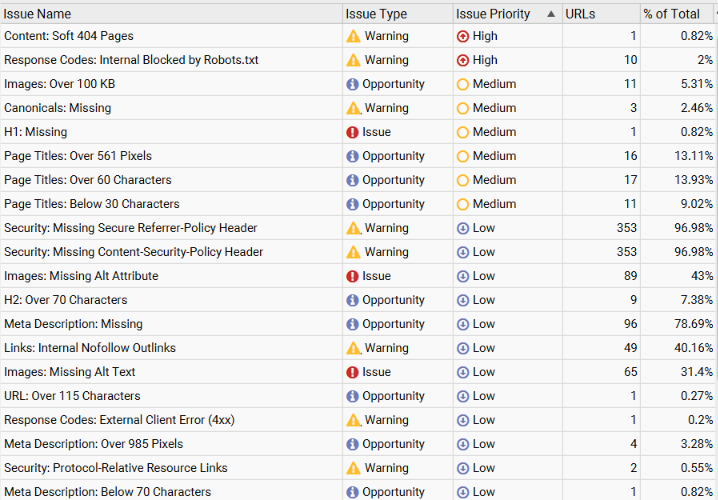
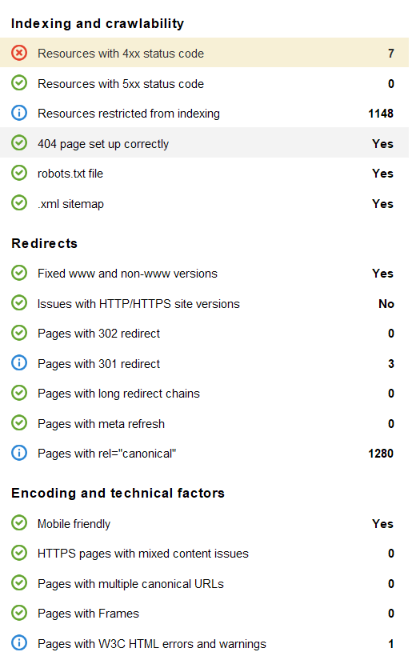
Conducting an on-page SEO audit is essential for optimizing your real estate website’s performance. This process ensures search engines can effectively index your site, boosting your search rankings. By identifying and fixing issues like broken links, missing meta tags, and poor keyword placement, you enhance your site’s visibility. It also improves user experience through better navigation, faster load times, and organized content, resulting in higher engagement and lower bounce rates. Regular audits help keep your site up-to-date with the latest SEO practices and algorithm changes, ensuring a smooth experience for both search engines and visitors.
🔎 FINDING THE RIGHT SEO KEYWORDS FOR REALTY SALES
🤔 UNDERSTANDING PROPERTY BUYING SEARCH INTENT
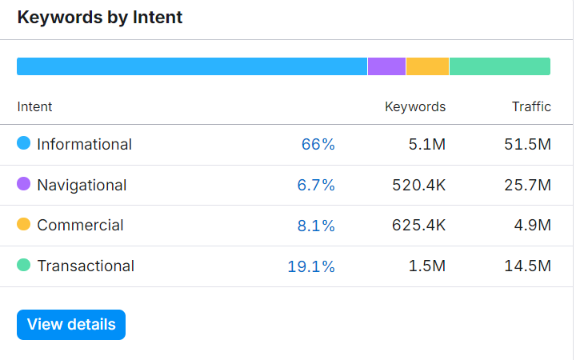
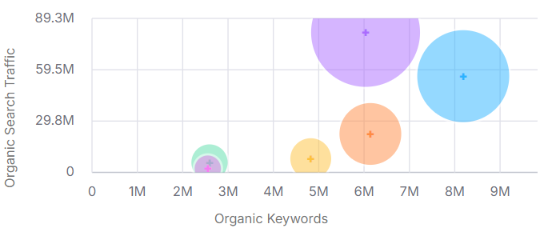
Choosing the right keywords for your real estate website is essential for attracting potential clients. Keywords fall into four categories: navigational, transactional, commercial, and informational.
- Transactional: These keywords are used by individuals ready to take action, such as contacting an agent or scheduling a property viewing (e.g., ‘find real estate agent,’ ‘schedule home tour’).
- Commercial: These keywords indicate that users are comparing options before making a decision (e.g., ‘best real estate agents,’ ‘top property listings’).
- Informational: These keywords are used by people seeking information or answers to specific questions (e.g., ‘how to buy a home,’ ‘what is a mortgage pre-approval’).
- Navigational: These keywords are used by individuals looking for a specific website or brand (e.g., ‘Coldwell Banker website,’ ‘Realtor.com login’).
When creating SEO content for your real estate website, it’s crucial to select and balance these types of keywords effectively. Each category plays a distinct role in the client journey. Understanding and targeting the right mix can help you attract more clients and stay competitive. If you’re unsure about which keywords to focus on or how to assess your site’s SEO performance, don’t worry—we’ll help you determine the best strategy based on your current SEO status when we connect.

📋 OFF PAGE REAL ESTATE WEBSITE SEO METRICS
🔗 IMPORTANT REAL ESTATE SEO WEBSITE LINKS
🧡 HEALTHY REAL ESTATE SEO BACKLINK GRAPH
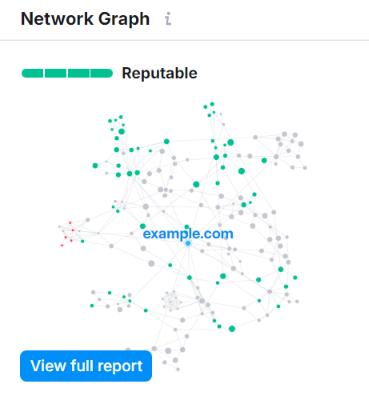
A strong backlink profile is vital for enhancing your real estate website’s online visibility. Just as regular property maintenance ensures a home’s value, quality backlinks boost your site’s credibility and authority with search engines. These links from reputable real estate and industry sites act as endorsements, driving more traffic and improving your search rankings. With a well-developed backlink profile, your website can attract more clients, build trust, and succeed in a competitive market.
🧡 HEALTHY REAL ESTATE INTERNAL LINK GRAPH
Internal links are crucial for a well-organized real estate website, guiding visitors through your content and improving the user experience. Just as a well-arranged property tour helps buyers explore a home, a strong internal link structure ensures that users can easily navigate your site, from property listings to contact information. These links also assist search engines in understanding the hierarchy and relevance of your pages, enhancing your site’s SEO and making it easier for potential clients to find your services. By developing a robust internal link structure, you can improve site navigation, increase page views, and ultimately attract more clients.



Real estate SEO services typically cost $1,500-$5,000 per month depending on market competition and service scope. Most successful agents invest 5-10% of their commission income in SEO marketing. Local SEO packages start lower, while competitive markets require higher investment for results.
Real estate SEO typically shows initial results in 3-4 months, with significant improvements in 6-8 months. Local searches like “realtor near me” rank faster than competitive terms. Google My Business optimization can show results within 2-4 weeks, making it the quickest SEO win.
Real estate SEO is optimizing your website and online presence to rank higher when buyers and sellers search for properties or agents online. It includes local search optimization, property listing SEO, neighborhood pages, and Google My Business management to attract qualified leads organically.
Yes, 97% of homebuyers start their search online, making SEO essential for real estate agents. Without SEO, your website remains invisible when prospects search “homes for sale” or “realtor near me.” SEO generates qualified leads 24/7 without ongoing advertising costs.
You can handle basic real estate SEO like Google My Business optimization and content creation, but effective SEO requires technical expertise, ongoing optimization, and 15-20 hours weekly. Most successful agents hire professionals to focus on selling while experts handle their digital marketing.
Real estate SEO focuses on local search, property-specific keywords, neighborhood optimization, and compliance with real estate regulations. It requires understanding MLS integration, property search functionality, and local market dynamics that general SEO agencies typically don’t comprehend.
Monitor Google rankings for target keywords, track website traffic from organic search, measure lead inquiries from your website, and watch Google My Business views and calls. Most SEO companies provide monthly reports showing keyword rankings, traffic growth, and lead attribution.
Common reasons include lack of local optimization, missing Google My Business setup, slow website speed, no neighborhood-specific content, poor mobile experience, or competing against established agents. Technical SEO issues and insufficient local citations also impact rankings significantly.
Look for proven real estate SEO experience, case studies with ranking improvements, transparent reporting, local market knowledge, Google My Business expertise, and understanding of real estate compliance. Avoid companies promising instant results or guaranteed #1 rankings.
Optimize for local search terms, create neighborhood-specific landing pages, add property search functionality, include clear contact forms, optimize Google My Business, publish helpful real estate content regularly, and ensure mobile-friendly design with fast loading speeds.