
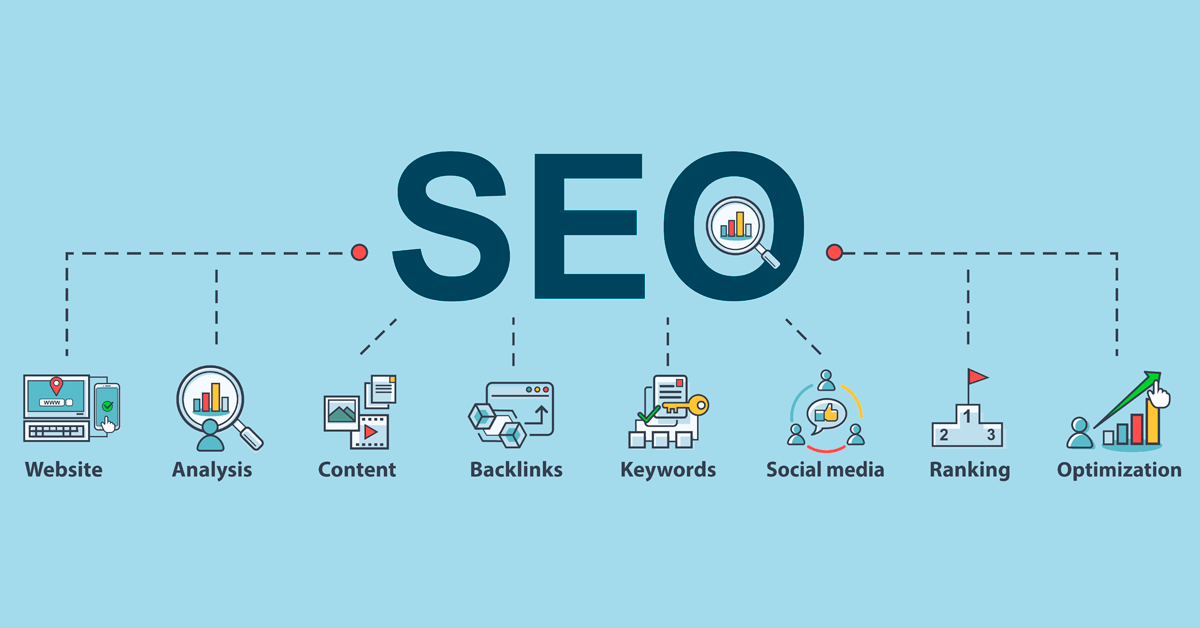
🔑 KEYS TO A PERFECT EMERGENCY SEO PROFILE
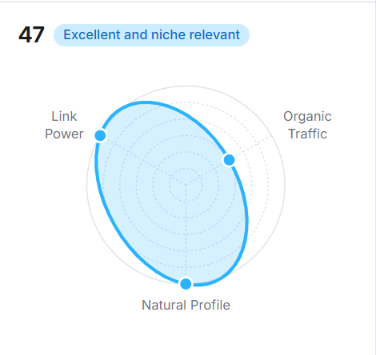
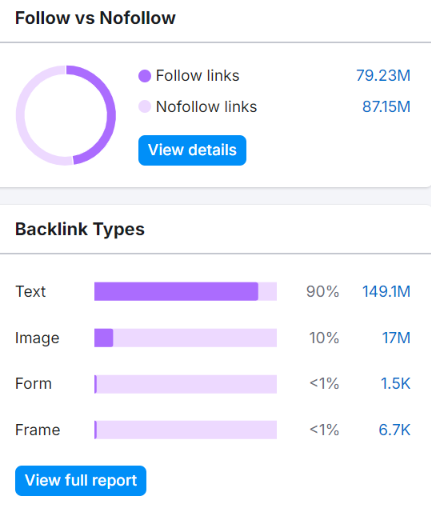
A perfect backlink profile is essential for boosting your emergency services website’s performance. Start by acquiring natural links, which come from a variety of credible, diverse sources and grow organically through quality, location-focused content. Prioritize powerful links from high-authority, relevant sites related to emergency services, as these enhance your site’s authority and local search rankings. Additionally, secure traffic-driving links from industry-specific directories and blogs to attract targeted visitors, increasing engagement and boosting your local SEO for emergency services.
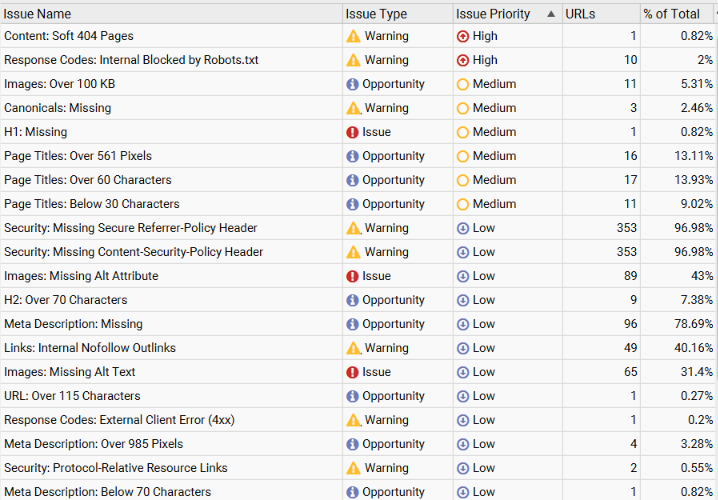
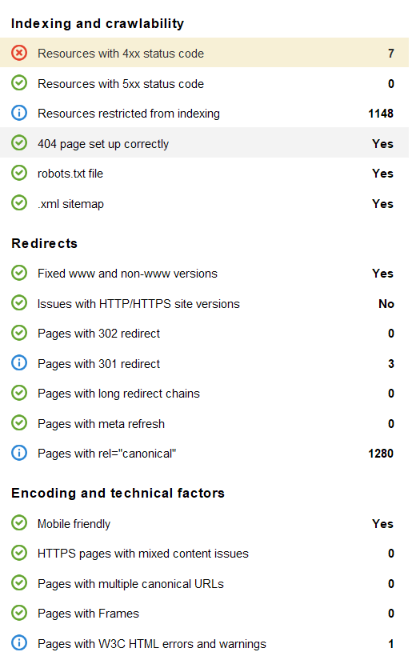
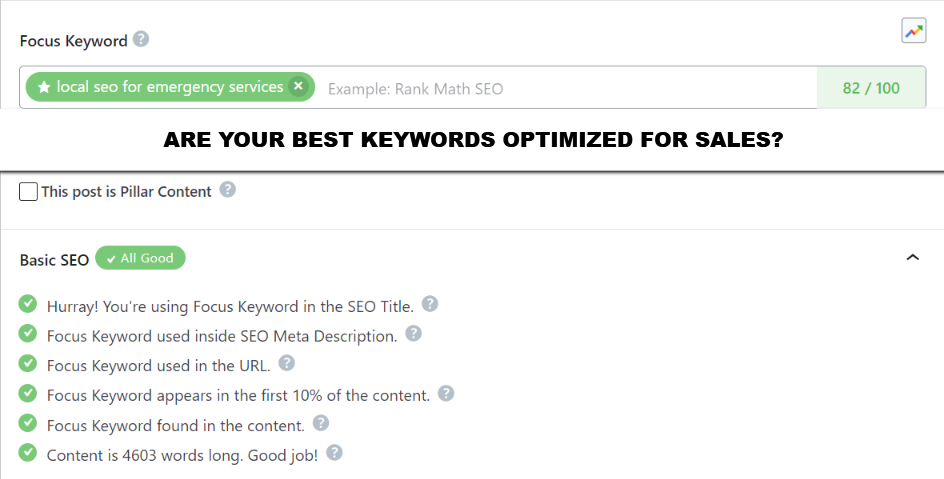
Conducting an on-page SEO audit for your emergency services website is crucial for optimizing performance. This ensures search engines can properly index your site, boosting your local search rankings. By auditing and resolving issues such as broken links, missing meta tags, and poor keyword placement, you increase your site’s visibility to search engines. This process also improves user experience by enhancing navigation, load times, and content organization, leading to better engagement and lower bounce rates. Regular audits ensure your site aligns with the latest SEO practices and algorithm updates, providing a seamless experience for both search engines and visitors.
🔎 FINDING THE RIGHT KEYWORDS FOR EMERGENCY CALLS
🤔 UNDERSTANDING EMERGENCY NEEDS BY SEARCH INTENT
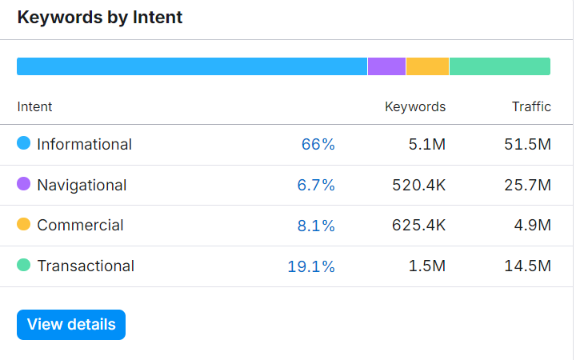
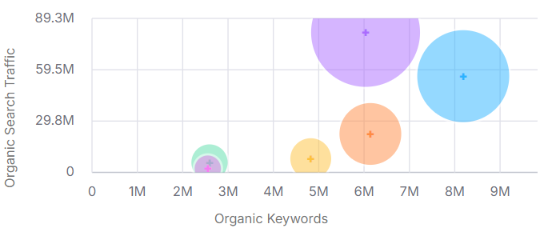
Choosing the right keywords for your emergency services business is crucial to attracting the right clients. Keywords fall into four categories: navigational, transactional, commercial, and informational.
- Transactional: These keywords are used by searchers who are ready to take action, such as making a booking or requesting a service (e.g., “book emergency plumber,” “schedule urgent electrical repair“).
- Commercial: These keywords indicate that the searcher is comparing services before making a decision (e.g., “best 24-hour locksmith,” “emergency HVAC repair reviews“).
- Informational: These keywords are used by people looking for answers to specific problems (e.g., “how to fix a burst pipe,” “what to do during a power outage“).
- Navigational: These keywords are used by searchers looking to find a specific business or service (e.g., “local emergency locksmith near me,” “24/7 plumber [City]“).
When crafting SEO content for your emergency services business, it’s important to carefully select and balance these types of keywords. Each serves a different purpose in the customer journey. Understanding and targeting the right mix can help you attract more clients and stay ahead of competitors. You should have an idea of these keywords, your competitors, and your domain strength. Don’t worry if you don’t know, we can help you find the best way forward, depending on where you are in the SEO process.

📋 OFF PAGE EMERGENCY SERVICE SEO METRICS
🔗 EMERGENCY BACKLINKS AND INTERNAL LINKS
🧡 HEALTHY EMERGENCY SEO BACKLINK GRAPH
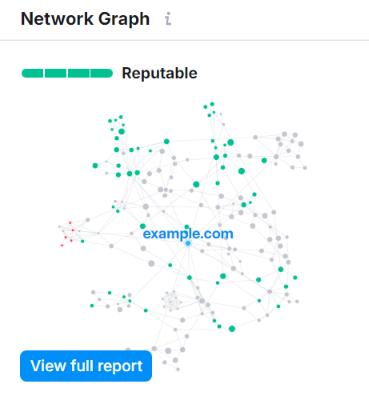
A strong backlink profile is essential for boosting your emergency service business’s online visibility. Just like regular maintenance ensures a home’s safety, quality backlinks build your website’s credibility and authority in search engines. These links from reputable emergency service and related industry sites act as endorsements, driving more traffic and improving your search rankings. With a healthy backlink profile, your business can attract more customers, establish trust, and thrive in a competitive market.
🧡 HEALTHY EMERGENY SERVICE INTERNAL LINK GRAPH






❓ LOCAL EMERGENCY SERVICE SEO FAQ’S
Emergency service SEO typically costs $1,500-$5,000 per month depending on service area competition and business size. Local emergency SEO packages start at $1,000-$2,000 monthly, while competitive markets reach $3,000-$8,000. Most successful emergency businesses invest 6-10% of revenue in local SEO for consistent lead generation.
SEO typically shows initial results in 2-4 months, with significant improvements in 4-8 months. Local searches like “emergency plumber near me” rank faster than broad industry terms. Google Business Profile optimization shows results within 2-6 weeks for immediate local visibility and call generation.
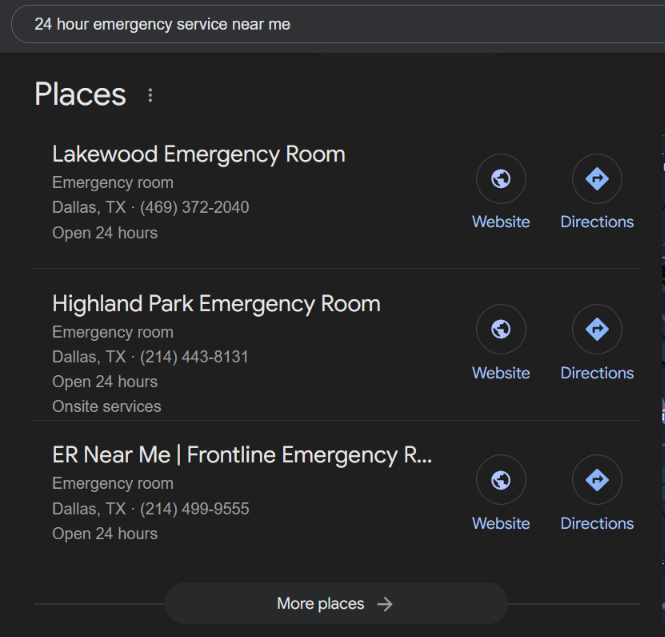
Local SEO for emergency services optimizes your business to appear when people search for urgent help in your area. It includes Google Business Profile optimization, local keyword targeting, 24/7 service page optimization, and emergency-specific content to attract customers needing immediate assistance in your service area.
Yes, 78% of people search online before calling emergency services, making local SEO essential for modern emergency businesses. Without SEO, your business remains invisible when prospects search “emergency locksmith” or “24/7 plumber near me.” Local SEO generates urgent leads 24/7 without ongoing advertising costs.
You can handle basic SEO like Google Business Profile setup and content creation, but effective emergency service SEO requires local marketing expertise, 24/7 optimization strategies, and 15-25 hours weekly. Most successful emergency businesses hire specialists to focus on customer service while experts handle digital marketing.
Emergency service SEO focuses on urgent local searches, 24/7 availability optimization, crisis-response keywords, and immediate action triggers. It requires understanding emergency search behavior, location-based optimization, mobile-first design, and quick-response content that general SEO agencies typically don’t specialize in effectively.
Monitor Google rankings for emergency keywords, track website traffic from local searches, measure emergency call inquiries from your website, and watch Google Business Profile views and calls. Most agencies provide monthly reports showing local keyword rankings, traffic growth, call conversion rates, and lead attribution data.
Common issues include missing Google Business Profile optimization, lack of location-specific content, slow mobile website speed, poor emergency keyword targeting, insufficient customer reviews, or inconsistent NAP information. Technical SEO problems and missing local citations also significantly impact emergency service local rankings.
Look for proven local SEO experience, emergency service case studies with ranking improvements, understanding of 24/7 business models, transparent reporting, local market knowledge, Google Business Profile expertise, and experience with urgent service keyword strategies. Avoid companies promising instant results without proven methodology.
Optimize for urgent local keywords, create emergency service landing pages with clear call buttons, add click-to-call functionality, optimize Google Business Profile with 24/7 hours, publish helpful emergency content regularly, encourage customer reviews, and ensure mobile-friendly design with fast loading speeds.
Target location-based emergency keywords like “emergency plumber [city],” “24/7 locksmith near me,” “urgent HVAC repair,” and service-specific terms like “emergency electrical repair,” “after hours plumbing.” Long-tail keywords like “emergency water damage restoration [location]” often convert better than broad terms.
Budget $2,000-$4,000 monthly for competitive local markets, or $1,200-$2,500 for smaller service areas. Factor in local content creation ($500-$1,000), Google Business Profile management ($300-$600), and citation building ($200-$500). ROI typically shows 4-8x return within 6-12 months through increased emergency calls.
Yes, all emergency services benefit from local SEO including plumbers, electricians, locksmiths, HVAC repair, towing services, emergency restoration, and urgent care providers. Each service type requires specialized keyword targeting and location-based optimization strategies tailored to specific emergency search patterns and customer behavior.
Extremely critical – 84% of emergency searches include location terms, and Google Business Profile appears prominently for “near me” searches. An optimized profile with 24/7 hours, emergency services listed, customer photos, and quick response times can increase emergency calls by 60-90% within months.
Avoid neglecting mobile optimization, missing 24/7 availability indicators, ignoring local citations, using generic service descriptions, neglecting customer review management, slow website speeds, missing emergency contact information, and choosing SEO providers unfamiliar with urgent service business models. Focus on local, mobile-first strategies instead.